

Making RV Safety Priority With Your RV Travel Plans:
Whether you’re new to RV travel or have years of experience on the road, RV safety should always be a top priority. Driving and maintaining a vehicle of that size comes with unique risks, from road conditions to setup and daily use at campsites. Staying aware of these factors and taking the right precautions can make all the difference in keeping your travels smooth and stress-free.
To help you stay prepared, we’ve put together some key RV safety tips to ensure every trip is safe, enjoyable, and worry-free.
Do a Pre-Trip RV Safety Inspection
Starting with a RV safety inspection, you can prepare for your trip. You can easily find a checklist online to help locate some key points of safety for driving and staying inside your RV. This can include the check of basic areas around and inside your RV like tires, brakes, fluids, slide-outs, and interior functionalities. It is important to ensure that you will be safe both while driving your vehicle and staying in it overnight. Be sure not to leave before you are always confident in your safety inside your RV.
Know the Height of the RV

Given the height of RVs and the need for caution of height clearance when pulling under any overhangs, many people tape to a window for an easy glance. It is important to beware of your full height, so be sure before launching on your next trip to measure the height of your RV including any items that you have attached to the top. This can help you understand fully your ability to drive through any overpass or overhang that covers something like a gas station.
Even more, with the height and length of your RV both being large, it is helpful to have a spotter when backing up. When you need to get into a camping spot or are simply trying to get into an open parking spot, a spotter can help with the safety of navigating into the best location to help access all areas of your RV and help everyone easily enter and exit the vehicle.
Load the RV Properly
Are you a part-time or full-time RVer? How much do you really need to pack? You should load your RV based on the type of RV you have. If you have a travel trailer, there is a 60/40 distribution rule about the placement of weight from the front to the back. In a full RV, it is important to check your vehicle manuals to confirm how much weight each axle can carry safely. That can help you distribute your materials evenly throughout the RV to help make sure that driving will be smoother and safer along the way.
Overloading or uneven weight distribution can impact handling, braking, and tire wear, increasing the risk of accidents. Taking the time to properly balance your load not only improves RV safety but also helps extend the life of your vehicle.
Drive About 200 Miles Daily & Stop Every 2 Hours
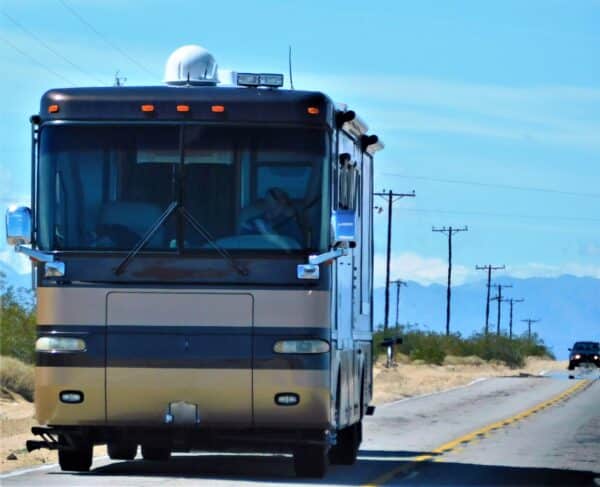
RV safety starts with the driver, and managing your time on the road is a key part of staying safe. Driving an RV requires more focus, effort, and physical energy than a standard vehicle, so it’s important to avoid overextending yourself. As a general guideline, try to limit your daily travel to around 200 miles, or slightly more depending on conditions.
In addition, plan to stop every two hours to give both you and your vehicle a break. These stops allow your engine, tires, and braking system to cool down while also giving you time to stretch, hydrate, and reset your focus. Fatigue can build quickly when driving a large vehicle, and even a short break can significantly improve alertness and reaction time.
Taking regular breaks also gives you the opportunity to check your RV for any issues—such as tire pressure, loose connections, or shifting cargo—before they become bigger problems. By pacing your travel day and prioritizing rest, you’ll improve overall RV safety and arrive at your destination feeling refreshed, alert, and ready to enjoy your trip.
Have a Source of Clean Water
Because there won’t always be a clean water source to hook up your RV to in a camping ground or other location, it is helpful to pack a clean water source. This can be as simple as the large bottle of filtered water that often serves offices and other locations with clean water. Clean water can be connected to your sink, but it is important to ensure that everything is set up to run properly when you are parked at one of your camping locations.
Trust Your Gut When It Comes To RV Safety
As you plan for your RV trip, it is important to trust your instincts. Being aware of your surroundings is always a smart idea. There is much to consider when both driving your RV and parking it for overnight camping. As you have inspected your RV and learned the proper maintenance and care of your vehicle over time, you will also likely grow to know it quite well. Therefore, your caution and RV safety will become more of an instinct with driving slowly and taking careful, wide turns properly as needed. While it may take some time to learn both the driving and maintenance of your RV, it will eventually become your gut instinct and regular practice.
Get Insurance Specific to Your RV
Even more, the insurance of your RV is important based on the specific type of vehicle you have. Whether you have a full-sized, drivable RV or a travel trailer that is towed behind your truck, it is important to ensure that you have it insured for coverage to meet all aspects of your trips. So, be sure to reach out to your agent with any questions about the various details of your RV and the travels that will be made to determine the proper insurance needed for quality coverage to keep everyone safe during your trips.
